Category Archives: Pelvic Floor Physiotherapy

Urinary Incontinence and Pelvic Floor Physiotherapy

Urinary incontinence (UI) is a common but often under-discussed condition, especially among women. It can affect women of all ages, from young mothers to post-menopausal individuals, and its impact on daily life can be profound. Whether it’s leaking a little when you sneeze, struggle with a sudden, uncontrollable urge to go, or face the distress of not making it to the bathroom in time, urinary incontinence is more than just a physical issue, it can take a toll on mental and emotional well-being.

But there is hope. Pelvic floor physiotherapy has emerged as a powerful, non-invasive, and highly effective treatment for managing and even overcoming urinary incontinence. In this blog post, we’ll explore the connection between urinary incontinence and pelvic floor health, particularly for women, and how pelvic floor physiotherapy can empower women to regain control over their bodies and lives.


What is Urinary Incontinence?

Urinary incontinence is the involuntary leakage of urine, and it can vary in severity from occasional dribbles to complete loss of bladder control. There are different types of urinary incontinence, but the most common types in women are:

  • Stress Incontinence: Leakage that occurs when there is pressure on the bladder, such as during sneezing, coughing, laughing, lifting, or exercising. It happens because the pelvic floor muscles that support the bladder are weakened.
  • Urge Incontinence: A sudden, intense urge to urinate, followed by involuntary leakage before reaching the bathroom. It’s often linked to an overactive bladder, where the muscles of the bladder contract uncontrollably.
  • Mixed Incontinence: A combination of both stress and urge incontinence.
  • Overflow Incontinence: The bladder doesn’t empty properly, causing it to overflow and leak urine.

While urinary incontinence is a condition that can affect anyone, women are particularly susceptible. This is because of several factors unique to the female body, including pregnancy, childbirth, hormonal changes, and aging.


Why Are Women More Prone to Urinary Incontinence?

There are several reasons why women are at a higher risk for developing urinary incontinence:

1. Pregnancy and Childbirth

Pregnancy and childbirth are significant contributors to urinary incontinence in women. During pregnancy, the growing uterus puts extra pressure on the bladder, and childbirth, particularly vaginal delivery, can weaken or stretch the pelvic floor muscles. After childbirth, many women experience temporary or even long-term issues with urinary control.

2. Hormonal Changes (Menopause)

As women approach menopause, the drop in estrogen levels can affect the strength and function of pelvic floor muscles and the lining of the urinary tract. This hormonal shift can contribute to the weakening of pelvic support structures, leading to incontinence.

3. Aging

As women age, muscle tone naturally decreases. The pelvic floor muscles can weaken, and the bladder and urethra may lose some of their elasticity. This combination can increase the likelihood of both stress and urge incontinence.

4. Obesity

Excess weight can put additional pressure on the pelvic floor, making it more difficult for the muscles to support the bladder and prevent leakage. This is particularly true for stress incontinence.

5. Chronic Health Conditions

Certain chronic conditions such as diabetes, neurological disorders, or a history of pelvic surgery can contribute to urinary incontinence by affecting nerve signals or weakening the muscles.


Pelvic Floor Physiotherapy Is A Proven Solution for Women with Urinary Incontinence

For women dealing with urinary incontinence, pelvic floor physiotherapy has become a first-line, non-invasive treatment option. It focuses on improving the strength, coordination, and flexibility of the pelvic floor muscles to restore bladder control.

What is the Pelvic Floor?

The pelvic floor is a group of muscles and connective tissue that support the bladder, uterus, rectum, and other pelvic organs. These muscles play a critical role in maintaining continence and supporting normal bladder function. When the pelvic floor muscles weaken or become too tight, they may fail to properly support the bladder, leading to urinary leakage.

Pelvic floor physiotherapy helps to retrain these muscles, restoring their function and helping women regain control over their bladder.

How Pelvic Floor Physiotherapy Works

Pelvic floor physiotherapists use a variety of techniques to address the underlying causes of urinary incontinence. Here’s a look at some of the common treatments involved in pelvic floor physiotherapy:

  1. Pelvic Floor Exercises (Kegel Exercises)
    • Kegels are the most well-known pelvic floor exercises, involving the voluntary contraction and relaxation of the pelvic floor muscles. By regularly practicing Kegel exercises, you can strengthen the pelvic muscles and improve bladder control. A physiotherapist will guide you in performing these exercises correctly, as improper technique can worsen symptoms.
  2. Manual Therapy
    • Manual therapy involves hands-on techniques to release tension and tightness in the pelvic floor muscles. For women with pelvic floor dysfunction or painful conditions, relaxing tight muscles can improve bladder control and ease symptoms.
  3. Bladder Training and Urge Control Techniques
    • For women with urge incontinence, bladder training can help regulate the urge to urinate and extend the time between bathroom visits. A pelvic floor physiotherapist will teach you how to recognize urge sensations and employ strategies like deep breathing to delay urination and regain control.
  4. Education on Posture, Breathing, and Lifestyle Changes
    • Proper posture and effective breathing techniques can help reduce unnecessary pressure on the pelvic floor. Physiotherapists often teach patients techniques that help relieve strain on the pelvic muscles, such as avoiding bearing down when using the bathroom or lifting heavy objects.
  5. Pelvic Floor Relaxation Techniques
    • For women whose incontinence is related to overly tight or overactive pelvic muscles, physiotherapists teach relaxation techniques to help release muscle tension. Relaxing these muscles can improve urinary control and reduce discomfort.

The Benefits of Pelvic Floor Physiotherapy for Women

Pelvic floor physiotherapy offers a range of benefits for women suffering from urinary incontinence:

  • Non-invasive: Unlike medications or surgery, pelvic floor physiotherapy is a conservative treatment that focuses on restoring muscle function.
  • Long-lasting results: With consistent effort, pelvic floor physiotherapy can lead to lasting improvements in bladder control, reducing or eliminating the need for ongoing treatment.
  • Personalized care: Physiotherapists create individualized treatment plans based on each woman’s unique symptoms and needs, ensuring the most effective approach.
  • Improved quality of life: Regaining control over urinary incontinence allows women to feel more confident, active, and free from the anxiety of bladder leakage.

When to Seek Pelvic Floor Physiotherapy

If you’re experiencing any form of urinary incontinence, pelvic floor physiotherapy can be a game-changer. It’s never too late to start! Some signs that you may benefit from pelvic floor physiotherapy include:

  • Leakage of urine when sneezing, coughing, laughing, or exercising.
  • A sudden, overwhelming urge to urinate.
  • Difficulty controlling urination, especially during physical activity.
  • Constant or frequent feelings of needing to go to the bathroom.
  • Pain or discomfort in the pelvic region.

It’s important to consult a healthcare provider who can refer you to a pelvic floor physiotherapist for a thorough evaluation and personalized treatment plan.


Contact us!

Take the first step towards recovery by contacting us today to schedule your physiotherapy appointment!

Understanding Vaginismus & Pelvic Pain

Pelvic pain can be isolating, confusing, and difficult to talk about. For many women, vaginismus often go undiagnosed or misunderstood for years. But there’s hope and healing available, and one of the most effective and empowering paths to relief is pelvic floor physiotherapy.

What is Pelvic Floor Physiotherapy?

Pelvic floor physiotherapy is a specialized branch of physical therapy that focuses on the muscles, ligaments, and connective tissues that support the pelvic organs. These muscles are essential for core stability, bladder and bowel function, sexual health, and more.

Pelvic floor physiotherapists are trained to assess and treat dysfunctions in this area, ranging from incontinence and prolapse to pelvic pain and painful intercourse.

Understanding Pelvic Pain

Pelvic pain is any pain that occurs in the lower abdominal or pelvic region. It can be chronic (lasting more than 6 months) or acute, and can stem from a variety of causes including:

  • Muscular imbalances or tightness
  • Post-surgical scarring
  • Endometriosis
  • Interstitial cystitis
  • Pudendal neuralgia
  • Trauma (including childbirth or sexual trauma)

Often, pelvic pain is complex and multifactorial, meaning it can have both physical and emotional components. That’s why a holistic, trauma-informed approach, like pelvic floor physiotherapy, is so essential.

What is Vaginismus?

Vaginismus is a condition where the muscles around the vagina involuntarily tighten, making penetration (whether sexual, medical, or even tampon use) painful or impossible. People with vaginismus might experience:

  • Burning or stinging during attempted penetration
  • A sensation of “hitting a wall”
  • Anxiety or fear around intercourse
  • Avoidance of gynecological exams

This condition is not in your head and you’re not alone. Vaginismus is more common than most people realize and it is treatable.

How Can Pelvic Floor Physio Help with Vaginismus and Pelvic Pain?

Pelvic floor physiotherapy offers a compassionate, step-by-step path toward healing. Treatment is always tailored to your individual needs, and may include:

  • Education – Understanding how your pelvic floor works and what might be contributing to your symptoms.
  • Manual Therapy – Gentle, hands-on techniques (internal or external) to release tight muscles, improve blood flow and reduce pain.
  • Biofeedback & Relaxation Training – Learning how to identify and consciously relax pelvic muscles.
  • Dilator Therapy – Guided, gradual desensitization using vaginal dilators to reduce fear and build confidence.
  • Breathing & Movement Work – Techniques to help regulate the nervous system, reduce tension and support pelvic alignment.

Most importantly, pelvic floor physio is a safe, judgment-free space. Your comfort and consent are always the priority.

You Deserve to Feel Comfortable in Your Body

If you’re living with pelvic pain or struggling with vaginismus, know that you’re not alone. These conditions are medical and treatable. The road to healing may take time, but with the right support, you can reclaim comfort, confidence and connection.

Contact us!

Take the first step towards recovery by contacting us today to schedule your physiotherapy appointment!

Welcoming Ulia Shakeel; Introducing Pelvic Floor Physiotherapy Services

We’re excited to announce the newest addition to our healthcare team! Ulia Shakeel, Registered Physiotherapist MScPT, and to introduce a vital new service at our clinic: Pelvic Floor Physiotherapy.

Meet Ulia

Ulia has been practicing as a Registered Physiotherapist in Mississauga, Ontario since 2017 and is a proud member of the College of Physiotherapists of Ontario. Originally earning her Master of Science in Physiotherapy in 2012 in Pakistan, Ulia has continually pursued advanced education and hands-on training in Canada to better serve her patients.

She has completed Level 2 of the Advanced Integrated Musculoskeletal (AIM) Program through the Orthopaedic Division of the Canadian Physiotherapy Association, and more recently, achieved Level 3 certification in Pelvic Floor Physiotherapy, a growing area of care that addresses often-overlooked yet critically important aspects of physical health.

Expanding Our Services: Pelvic Floor Physiotherapy

Pelvic Floor Physiotherapy is now available at our clinic for women, and we’re proud to offer this essential service under Ulia’s expert care.

This specialized area of physiotherapy focuses on the muscles, ligaments, and connective tissues that support the pelvic organs. It can help address conditions such as:

  • Urinary incontinence
  • Pelvic pain
  • Postpartum recovery
  • Pain during or after intercourse
  • Constipation and bowel issues
  • Pelvic organ prolapse

Whether you’re recovering from childbirth, managing chronic pelvic pain, or navigating age-related changes, pelvic floor physiotherapy can offer relief and long-term support.

A Holistic, Evidence-Based Approach

Ulia brings extensive experience treating a wide range of conditions beyond pelvic health, including:

  • Orthopedic injuries
  • Vestibular disorders
  • TMJ dysfunction
  • Concussions
  • Cardio-respiratory and neurological conditions

Her treatment style is compassionate, thorough and individualized. She integrates a blend of techniques such as soft tissue therapy, joint mobilization, trigger point release and tailored exercise programs to support each patient’s unique journey to recovery.

Whether you’re looking to address pelvic health concerns or need support for other physical conditions, Ulia’s knowledge, skill and empathy make her a valuable addition to our team and a trusted partner in your care.

Contact us!

Take the first step towards recovery by contacting us today to schedule your physiotherapy appointment with Ulia!

C-Section Pre-hab and Rehab

While many people experience a pivot from an expected vaginal delivery to an emergency Cesarean Section (C-Section) birth. There are also many people who have a planned or scheduled C-Section.

If this is the case, Physiotherapist can help prepare you in advance for the birth as well as the first few days. While many people try and soften the process by titling it a “C-Section birth” and a view point that it is as valid of a birthing process as a vaginal birth (which it IS!). A C-Section is still a surgical procedure that has different considerations when it comes to recovery than a vaginal birth.

It is possible to have have pelvic floor issues post c-section even when / if a person has not laboured, had to push, or delivered vaginally.
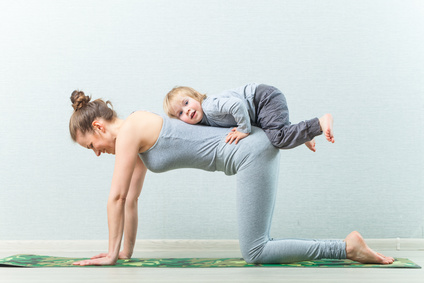
yoga stretching poses from an oakville virtual physio
Postnatal Physio-C-Section
These pelvic floor issues post C-Section may be:
  • Pain / discomfort with urination
  • Stress or urge urinary incontinence
  • Pelvic floor pain or discomfort
  • Bowel issues / constipation
  • Pelvic organ prolapse (POP)

In the early days post C-Section your pelvic floor focussed physio can provide you with a plan in how to set your home environment up to best help your own recovery as you care for a newborn.

Once your C-Section incision is healed, your pelvic floor focussed physio can assess and gently treat your scar / incision or the surrounding area. Your Physio can also assess your pelvic floor. You should be provided with some education and a plan of how you can self treat at home and how to fit it into your new life!

If you have not had your scar massaged or worked on by a physio and you are further down the road of your recovery, if is never too late. People are often surprised by how much C-Section scar work as part of physio treatment can help with low back issues and pelvic floor tension / issues as well as in the local area.

If you are interested in a pre-hab or prenatal physiotherapy session for a schedule C-section we are here for you. We are able to see you in person in our North Oakville Physio clinic. We are also able to “see” you virtually via Telehealth if you are residing or have a permanent address in Ontario.

Contact us to book in!

We are able to provide direct billing to most insurance companies.

A Few Surprising Things About Pelvic Health Physiotherapy

The majority of men and women diagnosed with pelvic health issues such as endometriosis or chronic prostatitis, do not know that there are treatment options beyond medications and surgeries.

In addition to the general population knowing little about alternative or supplementary treatment options, there are many healthcare practitioners that also do not know this. This means that there are many people who are not offered care that will likely make a large impact in their lives. That pelvic health physiotherapy can help with pain and function in these pelvic conditions is still undiscovered territory.

When To See a Pelvic Health Physiotherapist

3 common reasons people access a pelvic health physiotherapist in our Oakville clinic:

1. Pre & Post Natal Health

Did you know that in France it is protocol to provide a post-natal woman a full-course of pelvic floor physio treatment? A pelvic floor physiotherapist can help a woman recover from pregnancy-related pain, a traumatic or complicated birth, and prevent possible future pelvic surgeries. They will ensure that a woman’s recovery is facilitated and that they are educated adequately in safe return to activity, sport and exercise.  this is based on tissue healing time, strength, whether there is pelvic organ prolapse present etc.

A pelvic health physiotherapist can also be helpful in the prenatal period with pelvic pain and low back pain. They are also able to help with labour preparation to ensure that you are able to relax your pelvic floor.

Pregnant outline showing Oakville pelvic health Physio

2. Incontinence

1/3 women experience incontinence throughout their lives. Physiotherapy has been shown to help a person who experiences different types of incontinence, such as stress urinary incontinence (SUI) and urgency incontinence. Incontinence does not have to be a normal part of the aging process.

Incontinence is most commonly due to weakness of the pelvic floor muscles. Women and men who experience incontinence and bladder dysfunction are helped the most when a pelvic health physiotherapist helps them strengthen their pelvic floor and insure they are doing the exercises properly.

Accessible sign from an Oakville Physio, massage, foot clinic

3. Pelvic Pain

1/3 women and men will experience pelvic pain at some point in their lives. Men may experience pain in their testicles or penis, while women may experience vulvar or clitoral pain. Both men and women may experience bladder pain, tailbone pain or pressure in the rectum.

To the relief of their patients, pelvic floor physiotherapists can often find soft tissue dysfunctions that contribute to the patient’s pain.

Injury to the lower body, repeated infections and stress  can cause reflexive muscle guarding of the pelvic floor muscles. Occasionally these tissues retain the memory of the injury and stay contracted, leading to trigger points and referred pelvic pain.

Pelvic health physiotherapists often find that muscular trigger points inside the pelvic floor contribute to the pain associated with endometriosis, interstitial cystitis, constipation, hemorrhoids, itching and burning that tests negative for yeast, pain with sexual activity, testicular pain and chronic prostatitis. Some women continue to experience symptoms associated with a urinary tract infection (UTI), as the tissues around the urethra stay contracted.

Pelvic pain sign showing Oakville pelvic floor physio

Accessing pelvic health physiotherapy can impact a persons quality of life substantially in the above cases.

Leaking when you Cough / Laugh does not have to be your “norm”!- From an Oakville Physio

Do you lose urine when you cough, laugh, jump…? This does not have to be your norm. This does not have to be something you “just deal with”. There are many products marketed in such a way as to think they are the ONLY solution. While the products can help maintain a quality of life and have as a back-up in case leakage does happen, there are other treatment options.

Other treatment options for urinary incontinence can be provided by a Pelvic Health Physiotherapist. Like most Physiotherapy treatment, it is helpful to see the Physio as soon as possible, however, even if you have been experiencing problems for years, it is never too late to seek help from a Physio.

What Causes Urinary Incontinence?

Urinary incontinence can occur at any age. Common contributors to urinary incontinence that our Oakville Pelvic Health Physio sees includes anything that weakens the pelvic floor. This includes; pregnancies, pressure management issues of the core, prolapse of the pelvic organs, aging and menopause, prostatitis.

Pregnant outline showing Oakville pelvic health Physio

Do not be embarrassed if you experience urinary incontinence. It is more common than most think. Upon consultation with your Oakville Pelvic Health Physiotherapist, they will discuss with you how an assessment will progress. They may assess how your low back, pelvis and hips move. They will likely assess the musculature of your pelvic floor. It is through this assessment that they are best able to guide you in specific exercises for you. They will also be able to tell if you are doing the prescribed exercises properly.

It is important to try Physiotherapy and a course of exercises and progressive strengthening prior to more invasive medical procedures. 


Physiotherapy for Urinary Incontinence

Registered Physiotherapists treat a multitude of issues that can impact people over a lifespan. One of the less talked about issues that Physiotherapists treat is urinary incontinence.

What is Urinary Incontinence?

Urinary incontinence is the involuntary loss of bladder control, and general bladder weakness. It have a large impact on a person’s life. Not only is it a hygiene issue, it is also a social issue.

It is far more common than people think. It is not spoken about, an when it is it may be in an offhanded way that does not offer real solutions.

Did you know in Canada:
  • 3.3 million have incontinence issues
  • 1/4 women are incontinent
  • 1/9 men are incontinent
  • 1/6 children under 17 have incontinence issues

The most problematic statistic is the low prevalence of people who seek treatment.

  • 1/12 people seek treatment because they are embarrassed to talk about it or don’t know help (such as pelvic floor physiotherapy) is available.

Slacklining picture to show oakville and burlington physio and yoga clinic

Types of Incontinence:

  • Stress urinary incontinence (SUI)
  • Urge Incontinence or Overactive Bladder (OAB)
  • Overflow incontinence
  • Functional incontinence
  • Mixed incontinence (stress + urge)

Incontinence is not only an “older person” problem, it is not inevitable and it does not have to be “lived with”. It is treatable and preventable.

A Pelvic Health Physiotherapist can be helpful in providing a solution and treating urinary incontinence. A proper assessment is vital to ensure the type of incontinence is delineated as well as assessing  if the pelvic floor muscles may be contributing (if they are tight or weak). This requires an internal pelvic floor examination. This is important to ensure the best course of treatment, advise and exercises that are provided by the Pelvic Floor Physiotherapist.

Receiving proper treatment and advice regarding urinary incontinence can impact a persons quality of life greatly.

Helping hands from Oakville Physio, massage, yoga, yoga therapy, foot clinic

To book in with our Oakville Pelvic Health Physiotherapist at Palermo Physiotherapy and Wellness Centre email info@palermophysio.ca or call (905) 582-9700.